
Why Professional Data Cabling Is Essential for Modern Businesses in Melbourne
Blog Post In today’s digital business environment, reliable connectivity is no longer optional. Every aspect of business operations depends on

In today’s digital world, businesses depend on reliable technology more than ever before. Whether it’s cloud computing, video conferencing, data sharing, cybersecurity, or day-to-day communication, everything relies on a strong and dependable network infrastructure.
As businesses grow, their technology requirements become more complex. A poorly designed network can lead to slow performance, security vulnerabilities, downtime, and reduced productivity. This is why investing in professional network infrastructure solutions has become essential for businesses looking to remain competitive and efficient.
In this guide, we’ll explore what network infrastructure is, why it matters, and how the right technology solutions can support business growth.
Network infrastructure refers to the hardware, software, systems, and services that enable communication and connectivity within an organization.
It includes:
Together, these components create the foundation that allows employees, devices, and applications to communicate efficiently.
Many businesses only think about their network when something goes wrong. However, network infrastructure directly impacts nearly every aspect of business operations.
A modern infrastructure provides:
Without a strong network foundation, businesses may face frequent disruptions that affect both employees and customers.
As technology evolves, older network systems often struggle to keep up with increasing demands.
Common problems include:
Slow Performance: Employees may experience delays when accessing files, cloud applications, or business software.
Frequent Downtime: Network outages can disrupt operations and lead to lost revenue.
Security Risks: Outdated equipment often lacks modern security features and software updates.
Limited Scalability: Growing businesses require infrastructure capable of supporting additional users, devices, and services.
Rising Maintenance Costs: Older systems typically require more repairs and ongoing support.
Recognizing these challenges early allows businesses to proactively upgrade their infrastructure before major issues occur.
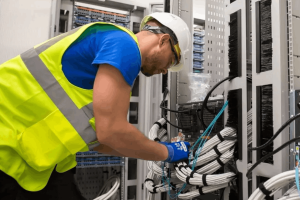
Structured cabling serves as the backbone of every business network.
Benefits include:
Professional cabling installation ensures stable connectivity throughout the workplace.
Enterprise Networking Equipment: Modern switches and routers help businesses manage increasing network traffic efficiently.
Advanced networking equipment provides:
Wireless Network Solutions: Wi-Fi is now a critical part of every workplace.
Business-grade wireless networks offer:
Professional wireless deployment eliminates dead zones and improves user experience.
Server Infrastructure: Servers play a vital role in storing data, hosting applications, and managing business operations.
Modern server solutions provide:
Businesses can choose between on-premise servers, cloud servers, or hybrid environments.
Cybersecurity is one of the biggest concerns facing businesses today.
A secure network infrastructure helps protect against:
Important security measures include:
Firewalls: Firewalls act as the first line of defense against cyber threats.
Network Monitoring: Continuous monitoring helps identify suspicious activity before it causes damage.
Secure Remote Access: Businesses increasingly require secure connectivity for remote and hybrid workers.
Data Protection: Protecting sensitive customer and business information is essential for compliance and reputation management.
Cloud computing has transformed the way businesses operate.
Many organizations rely on:
A strong network infrastructure ensures:
Without sufficient network capacity, cloud applications may perform poorly and impact productivity.
Reliable systems allow employees to work efficiently without interruptions.
Reduced Downtime: Modern infrastructure minimizes network failures and connectivity issues.
Enhanced Security: Updated security systems reduce the risk of cyberattacks.
Better Scalability: Businesses can expand without needing complete infrastructure replacements.
Cost Savings: Preventative upgrades often cost less than dealing with downtime and emergency repairs.
Improved Customer Experience: Reliable technology enables better communication, faster service, and improved customer satisfaction.
Businesses should consider upgrading if they experience:
An infrastructure assessment can identify weaknesses and recommend improvements.
Selecting the right technology provider is essential for long-term success.
Look for a partner that offers:
A trusted provider can help design, implement, and maintain infrastructure that supports future business growth.
At SM Link, we provide comprehensive network infrastructure solutions tailored to the needs of modern businesses.
Our services include:
We help businesses build secure, reliable, and scalable technology environments that improve efficiency and support growth.
Blog Post In today’s digital business environment, reliable connectivity is no longer optional. Every aspect of business operations depends on

Blog Post In today’s technology-driven business environment, your network infrastructure serves as the backbone of daily operations. From cloud-based applications