
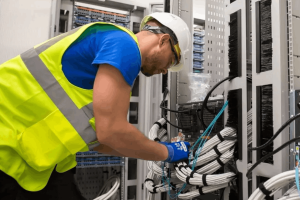
Why Professional Data Cabling Is Essential for Modern Businesses in Melbourne
Blog Post In today’s digital business environment, reliable connectivity is no longer optional. Every aspect of business operations depends on

In today’s technology-driven business environment, your network infrastructure serves as the backbone of daily operations. From cloud-based applications and video conferencing to cybersecurity systems and customer databases, every critical business function depends on a reliable and high-performing network.
However, many businesses continue using outdated network infrastructure long after it has reached its limits. While these systems may still function, they often create hidden problems that affect productivity, security, and business growth.
If your organization is experiencing slow performance, frequent outages, or increasing IT issues, it may be time to evaluate your network infrastructure. Here are seven key signs that indicate your business network needs an upgrade.
Network infrastructure includes all hardware, software, cabling, servers, switches, routers, firewalls, and wireless systems that enable communication across your organization.
A modern network infrastructure provides:
Without a strong network foundation, businesses may struggle to keep up with evolving technology demands.
One of the most common indicators of outdated infrastructure is consistently slow network performance.
Employees may experience:
As businesses adopt more cloud applications and digital tools, network bandwidth requirements increase significantly.
Older switches, routers, and cabling systems often cannot handle modern data demands, creating bottlenecks that impact productivity.
Even minor delays can add up across an organization. If employees spend several minutes each day waiting for systems to respond, productivity losses can become substantial over time.
Network outages are more than just an inconvenience. They can disrupt operations, affect customer service, and result in lost revenue.
Warning signs include:
If your business experiences recurring connectivity problems, aging network equipment may be the root cause.
Modern infrastructure provides greater reliability, redundancy, and monitoring capabilities that help prevent costly downtime.
Many businesses install network infrastructure based on their initial needs. However, as organizations grow, technology requirements evolve.
Consider the following:
If the answer is yes, your current infrastructure may no longer support your operational demands.
A scalable network design allows businesses to expand without sacrificing performance.
Cybersecurity threats continue to evolve, making network security more important than ever.
Older network systems often lack modern security capabilities such as:
Outdated hardware may also stop receiving manufacturer security updates, leaving your business vulnerable to cyberattacks.
Common risks include:
Upgrading network infrastructure can significantly strengthen your security posture and help protect sensitive business data.
Reliable wireless connectivity is essential for today’s workplace.
Employees increasingly rely on:
If staff frequently complain about weak Wi-Fi signals or connectivity issues, your wireless infrastructure may require improvement.
Common symptoms include:
Modern wireless solutions provide stronger coverage, higher speeds, and better support for multiple connected devices.
As network equipment ages, maintenance requirements typically increase.
Signs include:
At some point, maintaining outdated infrastructure becomes more expensive than replacing it.
Rather than constantly fixing recurring problems, investing in modern infrastructure provides long-term cost savings and improved reliability.
Many businesses underestimate the true cost of aging systems, including:
A network upgrade often delivers a strong return on investment through improved efficiency and reduced operational disruptions.
Remote and hybrid work environments have become standard for many organizations.
Employees require secure access to:
Older network infrastructures may struggle to support:
Businesses that rely on remote teams need modern infrastructure capable of delivering reliable and secure access from anywhere.
Investing in modern network infrastructure provides numerous advantages.
Improved Performance: Faster data transmission and reduced latency improve employee productivity.
Enhanced Security: Modern security technologies help protect sensitive information and reduce cyber risks.
Better Scalability: Businesses can easily accommodate future growth and technology adoption.
Reduced Downtime: Reliable hardware and proactive monitoring minimize disruptions.
Improved User Experience: Employees enjoy faster access to applications, files, and communication tools.
Greater Business Agility: Modern networks support innovation, digital transformation, and emerging technologies.
At SM Link, we specialize in designing, implementing, and maintaining modern network infrastructure solutions for businesses across Melbourne.
Our services include:
We help businesses build secure, scalable, and high-performance network environments that support long-term success.
Blog Post In today’s digital business environment, reliable connectivity is no longer optional. Every aspect of business operations depends on

Blog Post In today’s digital world, businesses depend on reliable technology more than ever before. Whether it’s cloud computing, video